
Summerlin Prices Are Rising — Smart Investors Are Looking Just Beyond the Border
Summerlin Prices Are Rising — Smart Investors Are Looking Just Beyond the Border
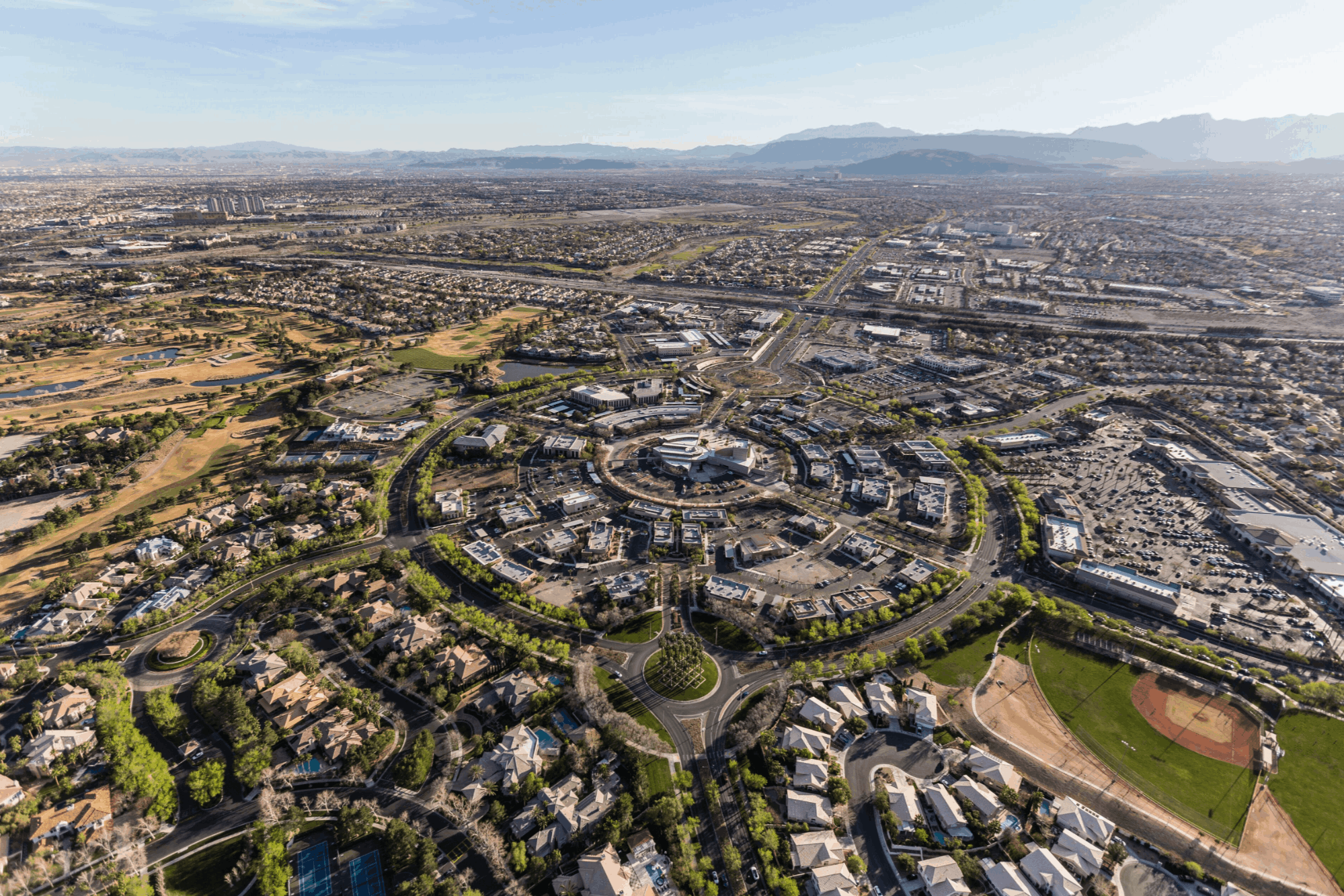
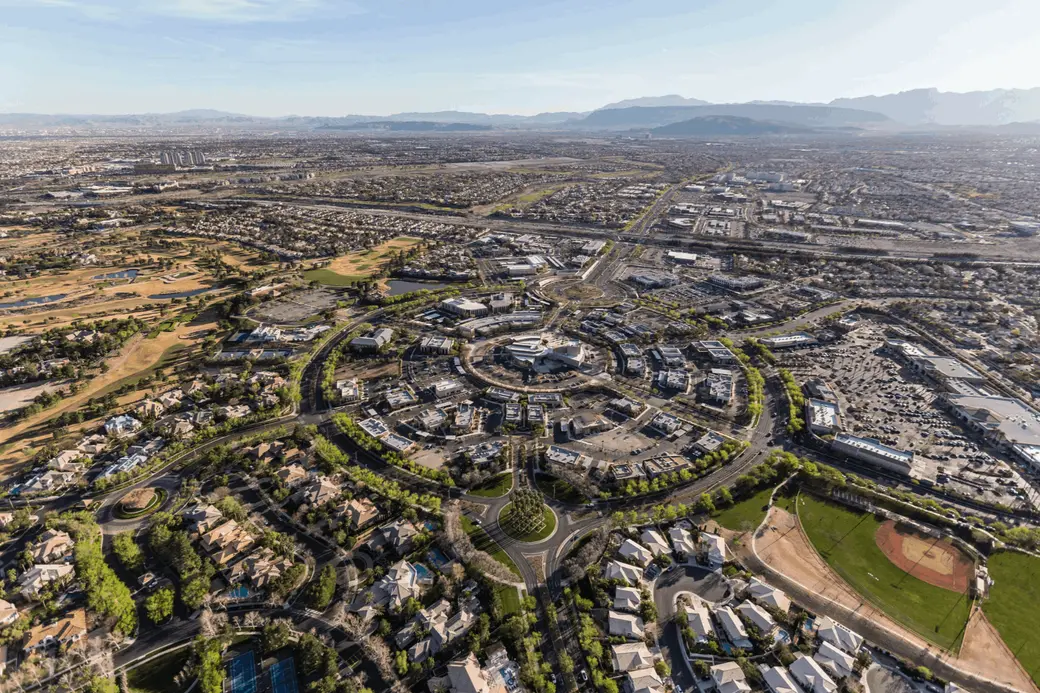
Summerlin continues to prove why it’s one of the most desirable master-planned communities in the Las Vegas Valley. According to a recent Las Vegas Review-Journal report, Summerlin West posted the highest median home price in 2025 at approximately $726,000, with overall Summerlin prices averaging about $682,000 across submarkets. Demand remains strong, inventory is moving, and long-term value growth is well established.
But for investors, the most compelling opportunities often sit just outside the spotlight.
Why “Next-Ring” Neighborhoods Are Getting More Attention
As prices in Summerlin climb, a natural market response is already underway: the workforce that supports Summerlin’s lifestyle still wants proximity, amenities, and quality housing—but what they increasingly need is attainability.
That’s where nearby submarkets come into play.
Communities adjacent to Summerlin can offer:
-
lower acquisition costs
-
close access to the same employment hubs, retail corridors, schools, and outdoor amenities
-
stable tenant demand from households who want Summerlin-adjacent living without Summerlin pricing
For investors, that alignment matters: you’re not “betting against” Summerlin—you’re investing in what Summerlin’s success creates.
The Rent-to-Price Advantage Is Often Better Outside the Core
From an income perspective, these lower-priced homes can produce more favorable rent-to-price ratios than core Summerlin properties.
From a community standpoint, they provide well-located housing for the complementary workforce that keeps the Summerlin ecosystem functioning day-to-day. And from a long-term strategy standpoint, they sit directly in the path of outward value growth as Summerlin continues to mature.
Value-Conscious Buyers and Renters Are Driving This Shift
The data supports this “next-ring” rotation. While luxury pricing across the Las Vegas Valley has surged over the past decade, transaction activity and days on market suggest buyers and renters are becoming more value-conscious. Investors who recognize this early can position themselves ahead of broader market movement—acquiring assets that meet real housing needs while still capturing appreciation.
The Bottom Line
Summerlin’s strength is real—and it’s exactly why investors are increasingly looking just beyond its borders. When you can deliver proximity, amenities, and lifestyle at a more attainable price point, you tap into a deep, durable tenant pool and a growth path that tends to expand outward over time.
At HYDE Real Estate Group, we help clients identify these “next-ring” opportunities—markets close enough to benefit from Summerlin’s gravity, yet priced to deliver durable cash flow and long-term upside.
How HYDE Real Estate Group Can Help
-
Request a deal review / underwriting
Send the address (or listing) and we’ll break down rent-to-price realism, tenant profile fit, and what the numbers look like with conservative assumptions.
-
Get a submarket rent & demand snapshot
Share the areas you’re considering and your budget range. We’ll outline where demand is strongest for Summerlin-adjacent renters and what that means for long-term performance.
-
Ask for current “next-ring” opportunities
Send your buy box (price range + property type + target areas) and we’ll identify opportunities that match both income and long-term positioning.
FAQ
Why are investors looking outside Summerlin instead of inside it?
As Summerlin pricing rises, nearby neighborhoods often offer better acquisition costs while still capturing demand from households who want proximity to Summerlin amenities and employment hubs.
What does “next-ring” mean in this context?
It refers to communities adjacent to Summerlin that benefit from its “gravity”—access, amenities, and desirability—without the same premium pricing.
Do next-ring areas really have strong tenant demand?
Yes—because the workforce supporting Summerlin’s ecosystem still wants the lifestyle and proximity, but increasingly needs attainability.
Why can rent-to-price ratios be better outside core Summerlin?
Because purchase prices can drop faster than rents do once you step outside the premium core, improving income yield relative to acquisition cost.
Is this strategy “betting against” Summerlin?
No. It’s the opposite—this strategy is about understanding what Summerlin’s success creates: outward demand, value-conscious housing needs, and adjacent growth paths.
What should investors evaluate before buying in a next-ring area?
Tenant profile, commute patterns, school zones, nearby retail access, and whether the property’s rent level matches what the local renter pool can sustainably support—especially as market conditions shift.
Categories
Recent Posts




GET MORE INFORMATION