
Low-Rise Multifamily Shows Strength Heading into 2026 — What This Means for Las Vegas Standing Inventory
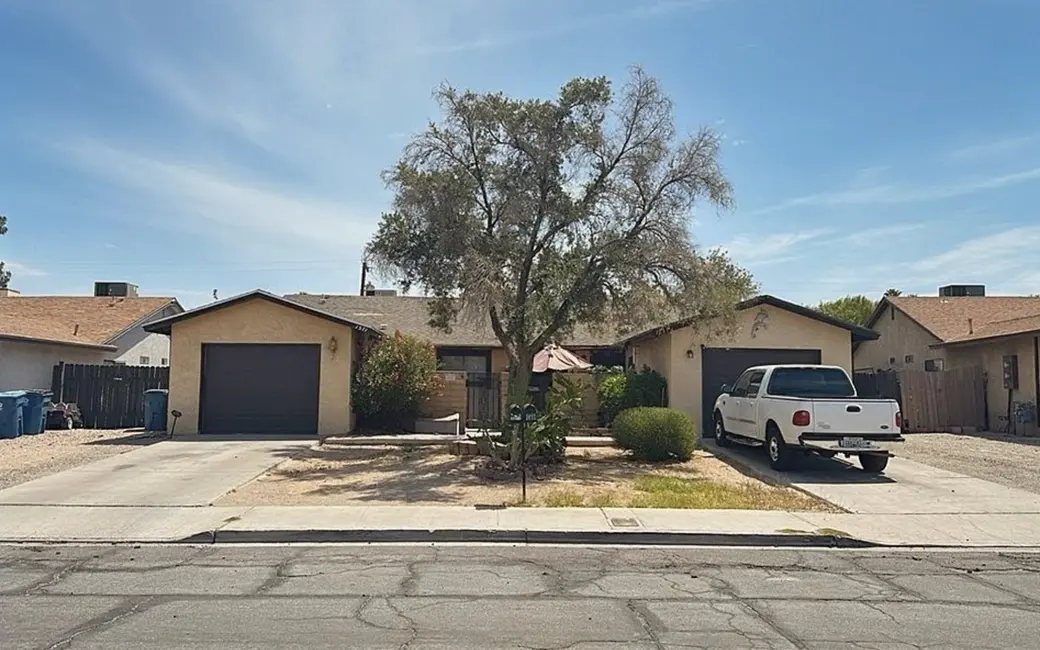
Low-Rise Multifamily Shows Strength Heading into 2026 — What This Means for Las Vegas Standing Inventory
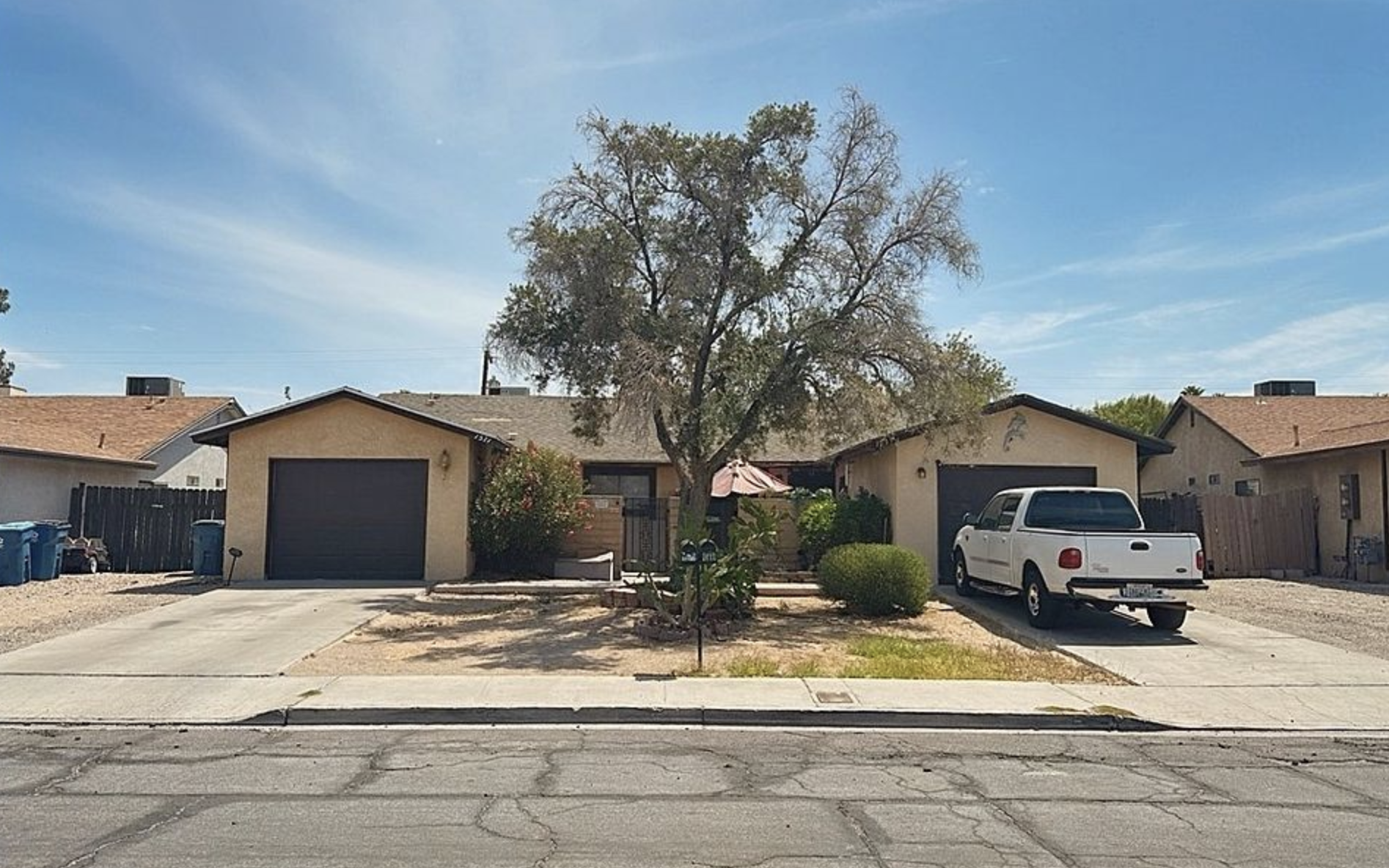
New national data is giving the multifamily world something very specific to think about—and for Las Vegas investors, it’s more than just an interesting headline.
According to the National Association of Home Builders’ latest Multifamily Market Survey, overall developer confidence dipped year-over-year in Q4 2025. The Multifamily Production Index (MPI) came in at 45 (below the neutral 50 mark), while the Multifamily Occupancy Index (MOI) remained strong at 74.
But here’s the key detail that matters:
The only segment that improved was garden-style and low-rise multifamily.
The Segment Signal Investors Shouldn’t Ignore
On page 1 of the report, the garden/low-rise component rose to 54—the only segment above 50 in production sentiment. Meanwhile, mid- and high-rise sentiment fell sharply, with that segment dropping to 31.
Occupancy supports the same story. Garden/low-rise posted an occupancy index of 76, comfortably above the 50 benchmark.
In plain terms: developers feel strongest about low-rise product, and existing owners report solid occupancy.
Why This Matters in Southern Nevada
Las Vegas is structurally aligned with the garden-style model.
We’re not a high-rise-first growth market. Historically, Southern Nevada has favored:
-
suburban expansion and infill
-
low-rise density near employment corridors
-
garden-style communities spread across the valley
The report’s chief economist also noted multifamily market share gains in “outlying metro and non-metro counties—where garden and low-rise structures are more common.” Las Vegas sits squarely in that profile.
What This Means for Standing Inventory (Owners and Buyers)
Here’s where it gets actionable.
If overall construction confidence is down and high-rise development is softening, that suggests fewer large vertical projects will break ground in the near term. At the same time, occupancy remains strong—especially in garden-style assets.
That combination tends to tighten standing inventory over time:
-
slower new supply pipeline
-
strong existing occupancy
-
ongoing Las Vegas population growth
-
continued single-family affordability pressure
Owners of stabilized garden-style communities may find themselves in a stronger negotiating position as new deliveries moderate. Buyers looking for yield in low-rise assets may face increasing competition—particularly for well-located properties in high-demand submarkets like Southwest, Henderson, and North Las Vegas.
And there’s a second layer: if developers remain cautious because of elevated construction costs and regulatory headwinds, replacement cost stays high—reinforcing the value of existing inventory.
Translation: it becomes harder to build new supply cheaply. That’s good for owners of what already exists.
Las Vegas Outlook for 2026
Las Vegas continues to absorb residents, jobs, and demand across rental segments. Garden-style communities—especially those built between 1995 and 2015—sit in a sweet spot for repositioning and operational upside.
If the national trend continues into 2026, we can reasonably expect:
-
stabilization of rent growth after recent volatility
-
stronger fundamentals for low-rise assets
-
reduced pressure from high-rise deliveries
-
increasing investor focus on suburban multifamily
This is not a frenzy market. It’s a strategic one.
The report also highlights a stabilizing theme: 68% of developers said conditions were about the same as three months prior. Stability is often the most investable environment of all.
The Bottom Line
Low-rise multifamily is showing relative strength nationally—and Las Vegas is structurally positioned to benefit from exactly that segment.
For owners: this may be the window to evaluate value positioning before supply tightens further.
For buyers: disciplined underwriting and local insight will separate opportunity from noise.
The next 12–24 months will reward strategic moves—not reactive ones.
How HYDE Real Estate Group Can Help
If you want to understand how this national shift impacts your Las Vegas holdings or acquisition strategy, HYDE Real Estate Group can help you translate the macro signal into deal-level decisions.
-
Request a deal review / underwriting
We’ll stress-test effective rents, expenses, DSCR sensitivity, break-even occupancy, and the realistic path to upside for low-rise assets.
-
Get a standing-inventory submarket snapshot
Share 2–3 target areas (or zip codes). We’ll map competitive pressure, nearby deliveries, and where garden-style occupancy is holding strongest.
-
Ask for current low-rise opportunities
Send your buy box (price range + doors + preferred areas). We’ll identify standing inventory opportunities aligned with today’s market realities.
FAQ
What does it mean that the MPI is 45 but occupancy is 74?
It signals developers are less confident about starting new projects right now (production sentiment below 50), while existing properties are still reporting strong occupancy conditions.
Why is garden-style/low-rise the key segment here?
Because it was the only segment above 50 in production sentiment (54) and also posted strong occupancy (76), indicating relative strength compared to mid/high-rise.
How does this connect to Las Vegas specifically?
Las Vegas growth patterns historically align with low-rise, garden-style communities across the valley—meaning this national shift naturally supports the dominant local product type.
Why does replacement cost matter for standing inventory?
If construction costs and development headwinds keep new builds expensive, existing properties become harder to “replace,” which can support valuations and competitive positioning for owners.
What type of Las Vegas inventory benefits most from this trend?
Garden-style communities—especially 1995–2015 vintage—often sit in a prime range for repositioning, operational improvements, and durable tenant demand.
Does this mean rents will surge again immediately?
Not necessarily. This supports a “stabilize then improve” setup: when new supply moderates and occupancy stays firm, rent pressure typically normalizes over time rather than snapping back overnight.
Categories
Recent Posts




GET MORE INFORMATION